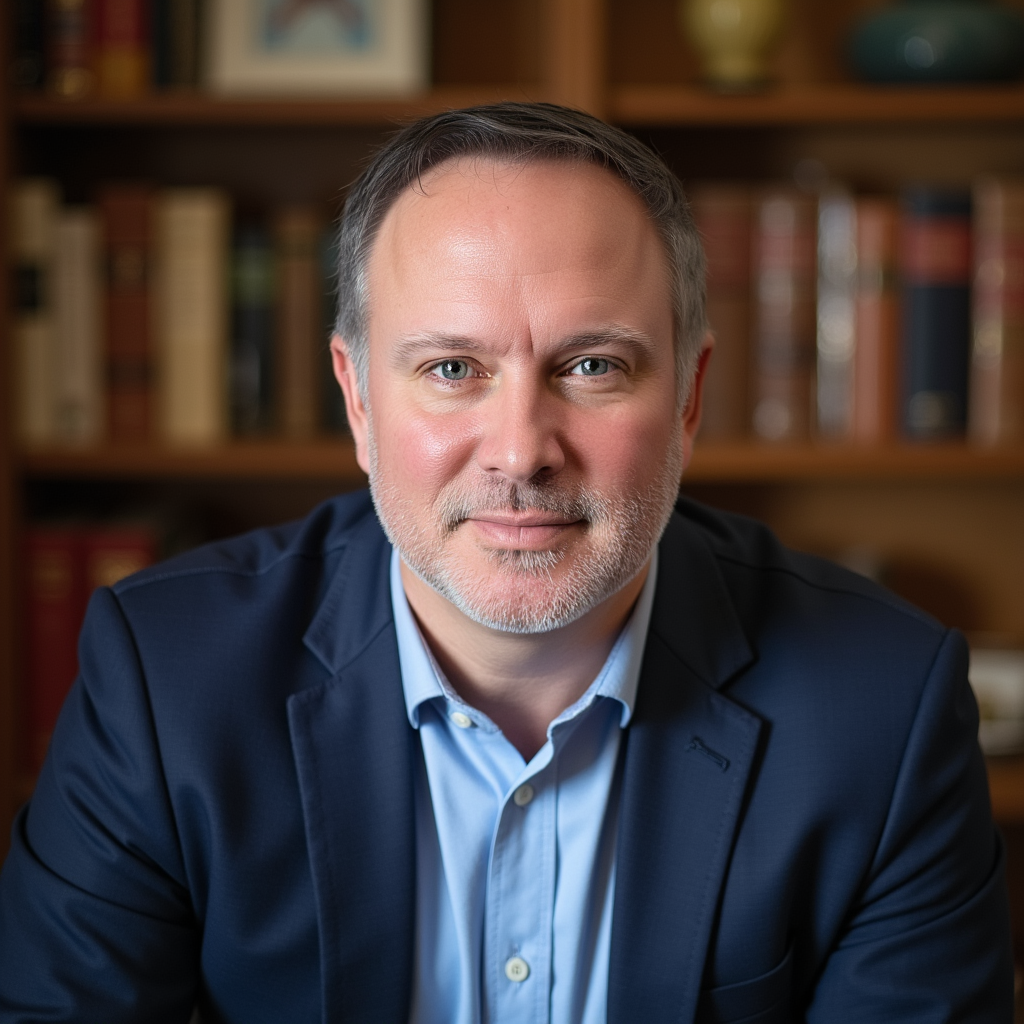
Meet Justin Krider
Here’s the plain version, in my own words. I’d rather be direct than overly polished, and I think you deserve that.
I’m a retired, 21-year veteran of the FBI. I specialized in complex financial crimes—money laundering, asset forfeiture, building out front companies, and seizing cash. The real stuff. I got hooked on investments back in 1996 while studying Engineering Economics at the United States Military Academy at West Point (it was the only school I could afford). It’s a math-heavy place, and the only way math ever made sense to me was by putting a dollar sign in front of it. Economics, corporate finance, accounting, and management saved me from a forgettable showing in physics.
That same year, I made my first investments—and started processing tax returns for other people. I’ve been nerding out on this stuff ever since.
I’m immune to watching sports. I loved playing, I love going to the gym, but I’m not going to obsess over a game when I can just check the scoreboard at the end. With all that saved-up sports time, I poured my energy into understanding markets, tax codes, and long-term wealth building. I wish I had a way cooler interest, but this is the hand of cards I was dealt.
I always knew that my encore to the FBI would be as a financial advisor. In my last year on the job, I cracked open a 650-page manual for the Series 65 exam and passed it on the first try. I also passed the Texas Life, Accident, Health, and HMO insurance exam, giving me full authority to operate in the insurance space.
How did you come up with Normaltown?
Normaltown started as a joke between two tired federal agents — and turned into a philosophy.
Back when I was still in the FBI, my cop-partner and I would run operations way outside our “territory,” chasing crooks and crimes that didn’t care about jurisdiction or office politics. We’d get pushback — not from the criminals, but from the system itself. The red tape. The administrative inertia. The well-meaning processes that sometimes made the job harder than it needed to be.
So we started building a mental list:
“Who’s normal?”
Who will pick up the phone at 11 p.m. because the job needs doing?
Who isn’t afraid to push through admin friction to make something good happen?
Who Still Gets It?
When we needed someone we could count on — in another office, another agency, another city — we’d ask: Who can I talk to who’s normal?”
That list became a real thing. And in a fever dream, we swore that one day we’d start a town — and only stock it with the people you could count on.
That’s Normaltown.
Who We Serve
Now, I’m no longer chasing criminals. I’m building financial plans, helping real people make smart moves with their money. But the standard hasn’t changed.
Normaltown Financial is for the people who still get it. No fluff. No ego. No layers of nonsense. Just clarity, trust, and the will to do the right thing.